
Shoreline Stabilization Services
Protecting New England Waterfronts
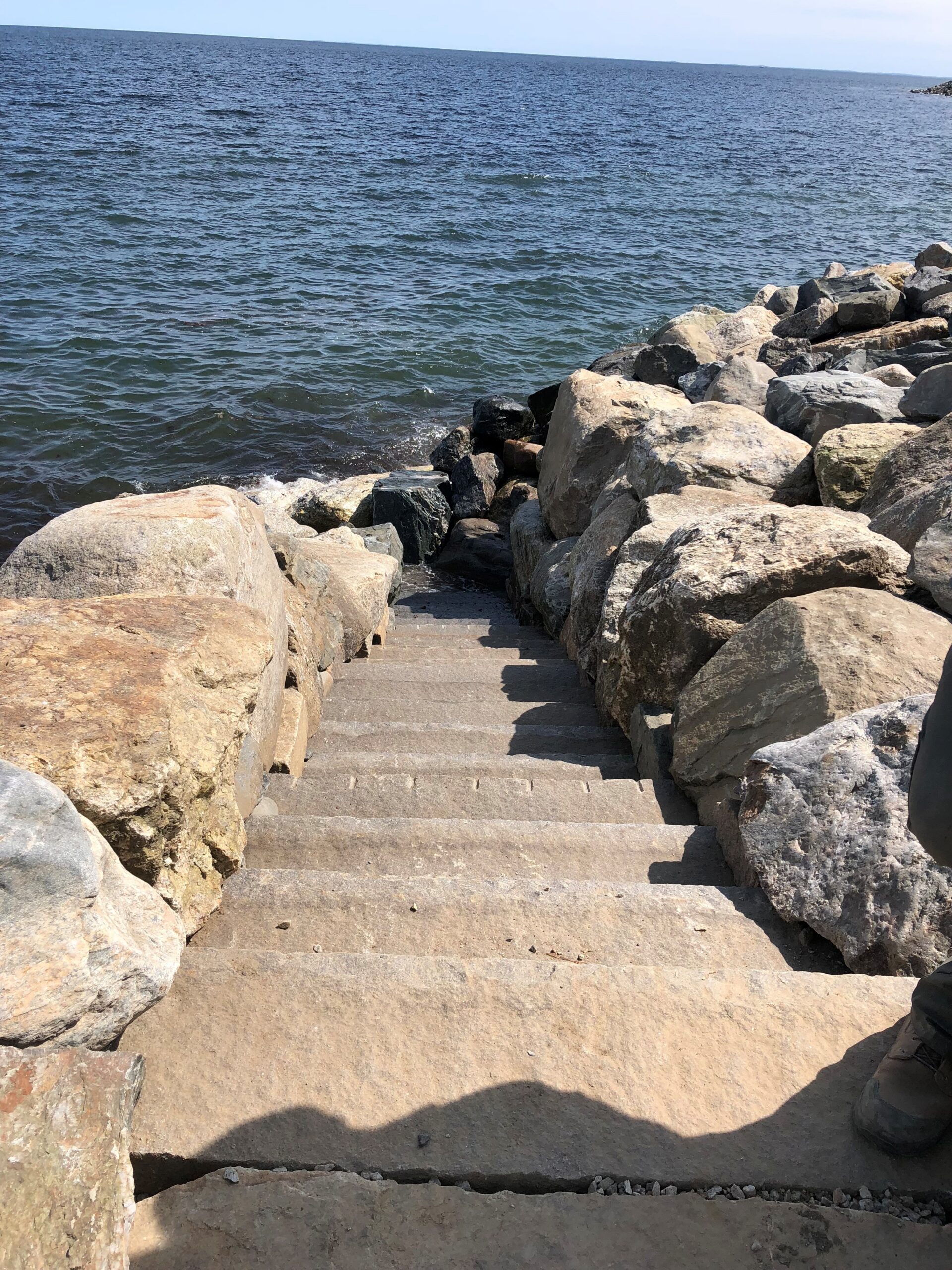
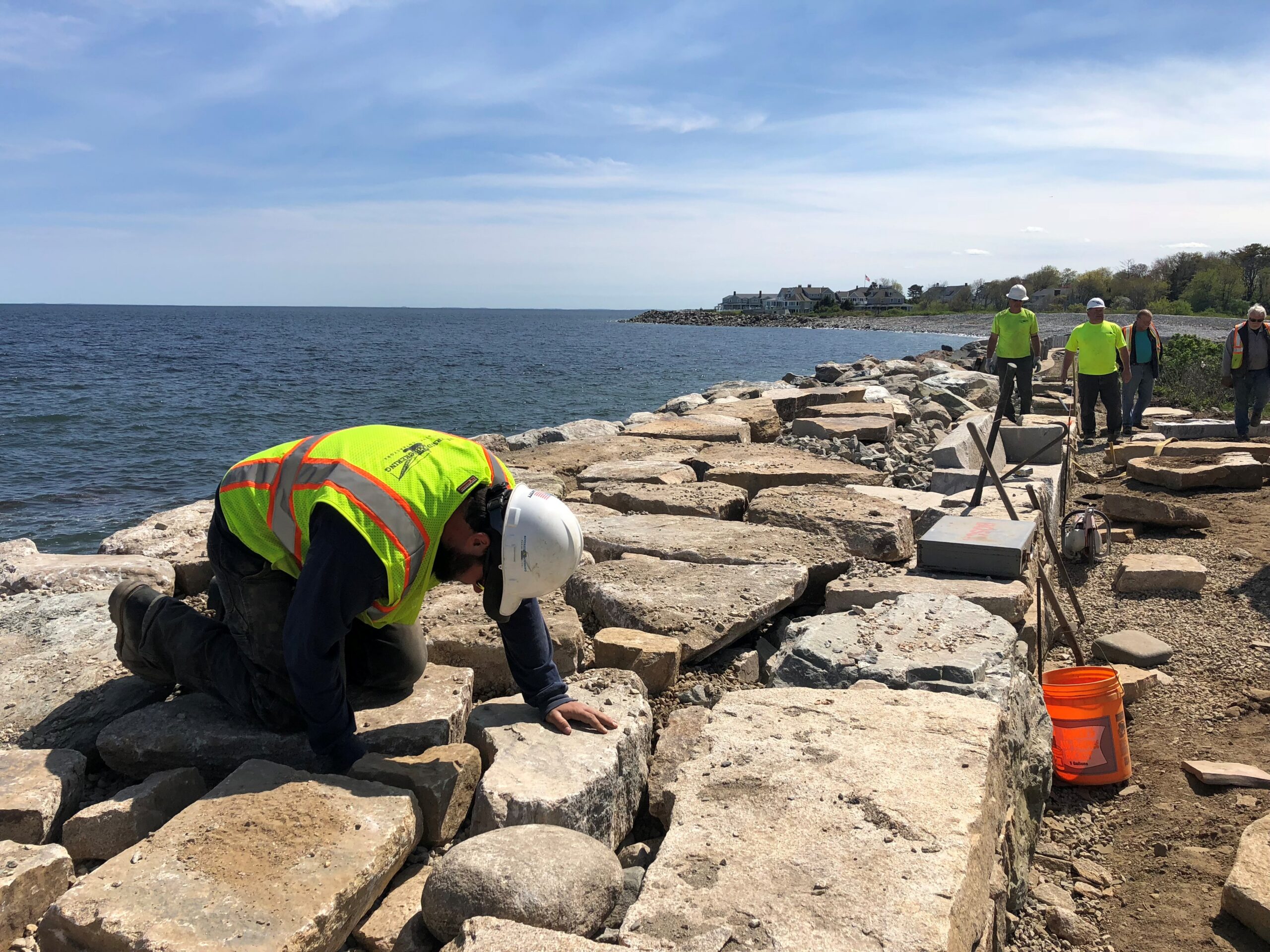
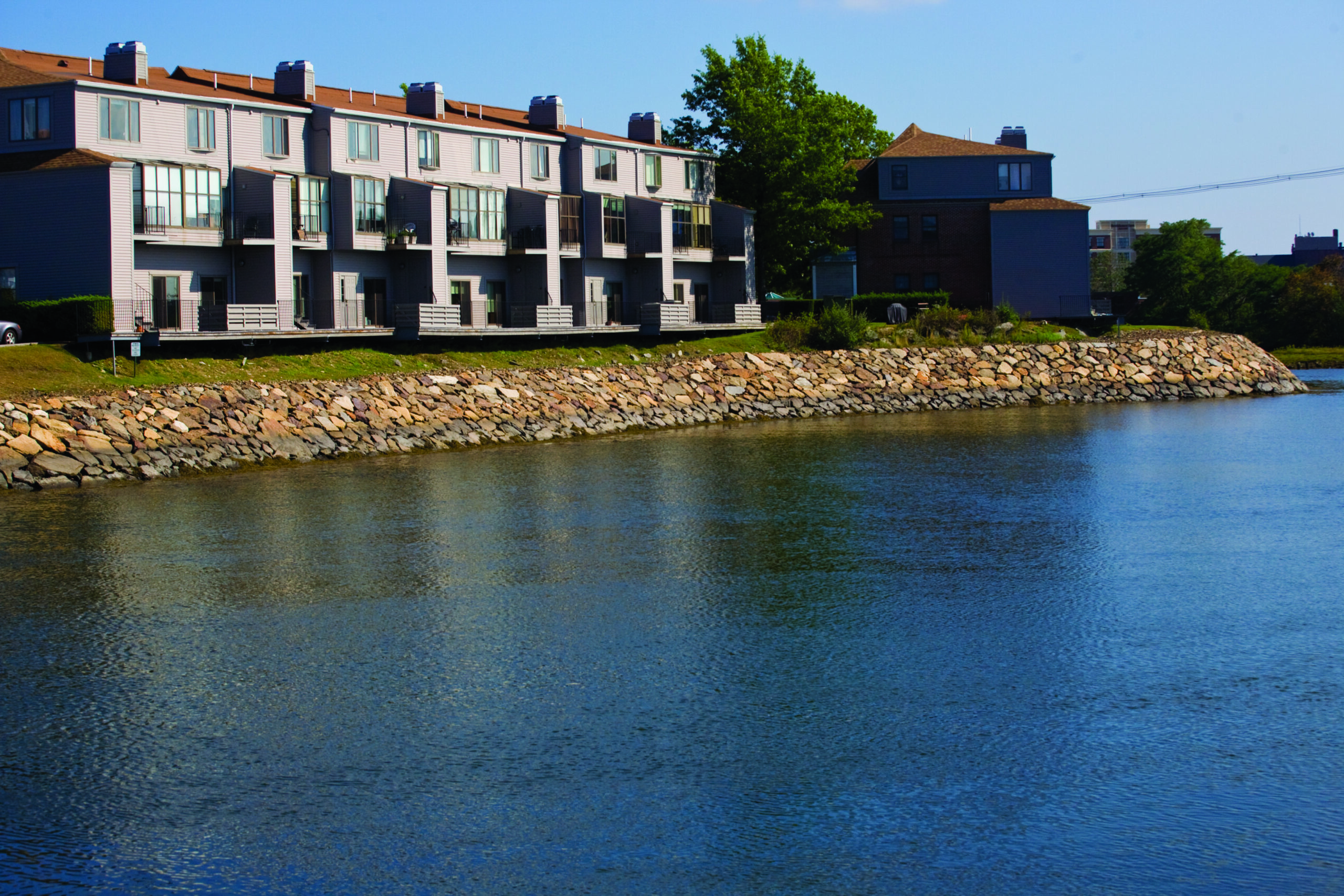
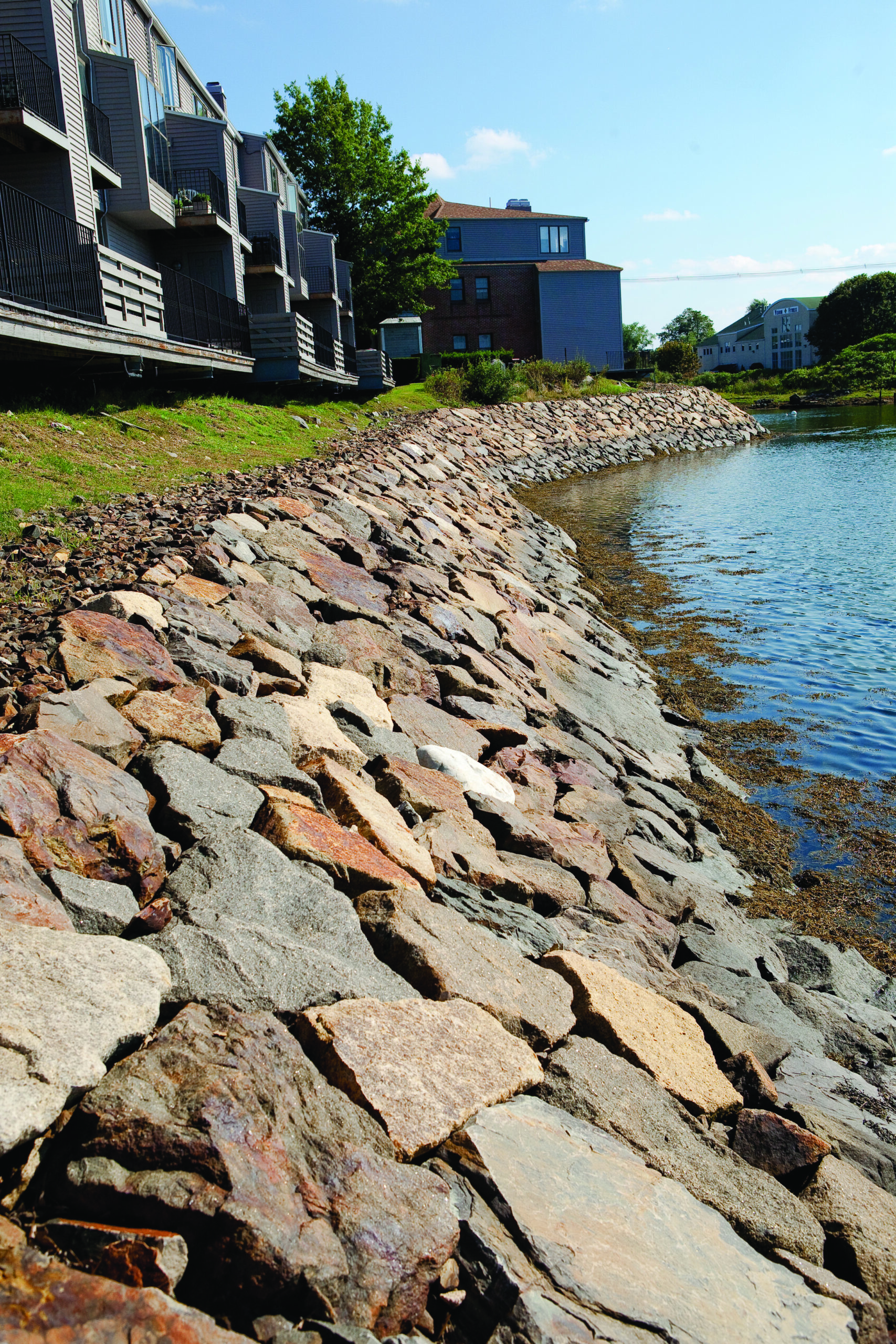
Riverside & Pickering specializes in proactive shoreline stabilization solutions that safeguard both property and the environment. Serving residential and commercial clients across the New England coast and inland waterways, we bring decades of marine construction expertise to every stabilization project—whether it’s protecting a family home or fortifying a working waterfront. Our team designs and builds custom stabilization systems tailored to your site conditions, water dynamics, and long-term goals. From riprap revetments and seawalls to timber bulkheads, steel or composite sheet pile walls, beach nourishment, living shorelines and bio-engineering methods such as coir logs, we combine structural integrity with environmental best practices to reduce erosion, prevent property loss, and enhance waterfront resilience.
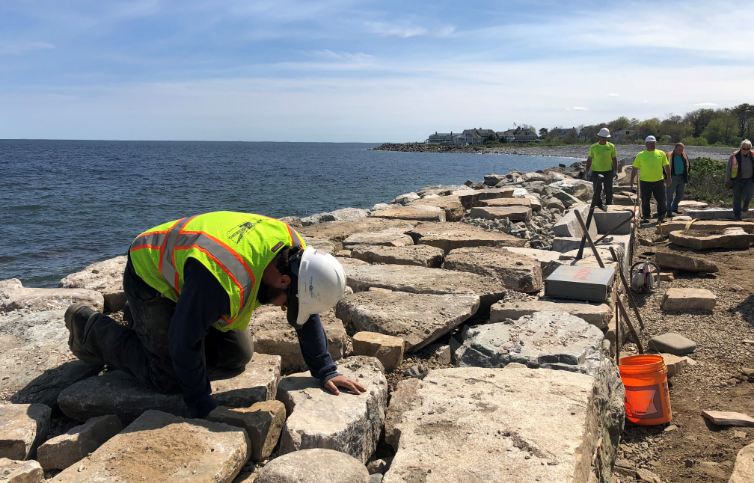
We understand the regulatory and environmental complexities of working on New England’s waterways—and we know how to get the job done right. With a focus on longevity, permitting support, and minimal disruption to surrounding ecosystems, Riverside & Pickering delivers shoreline stabilization that’s built to last against the harsh New England Conditions.
Contact Us About Your Project
Residential Shoreline Services
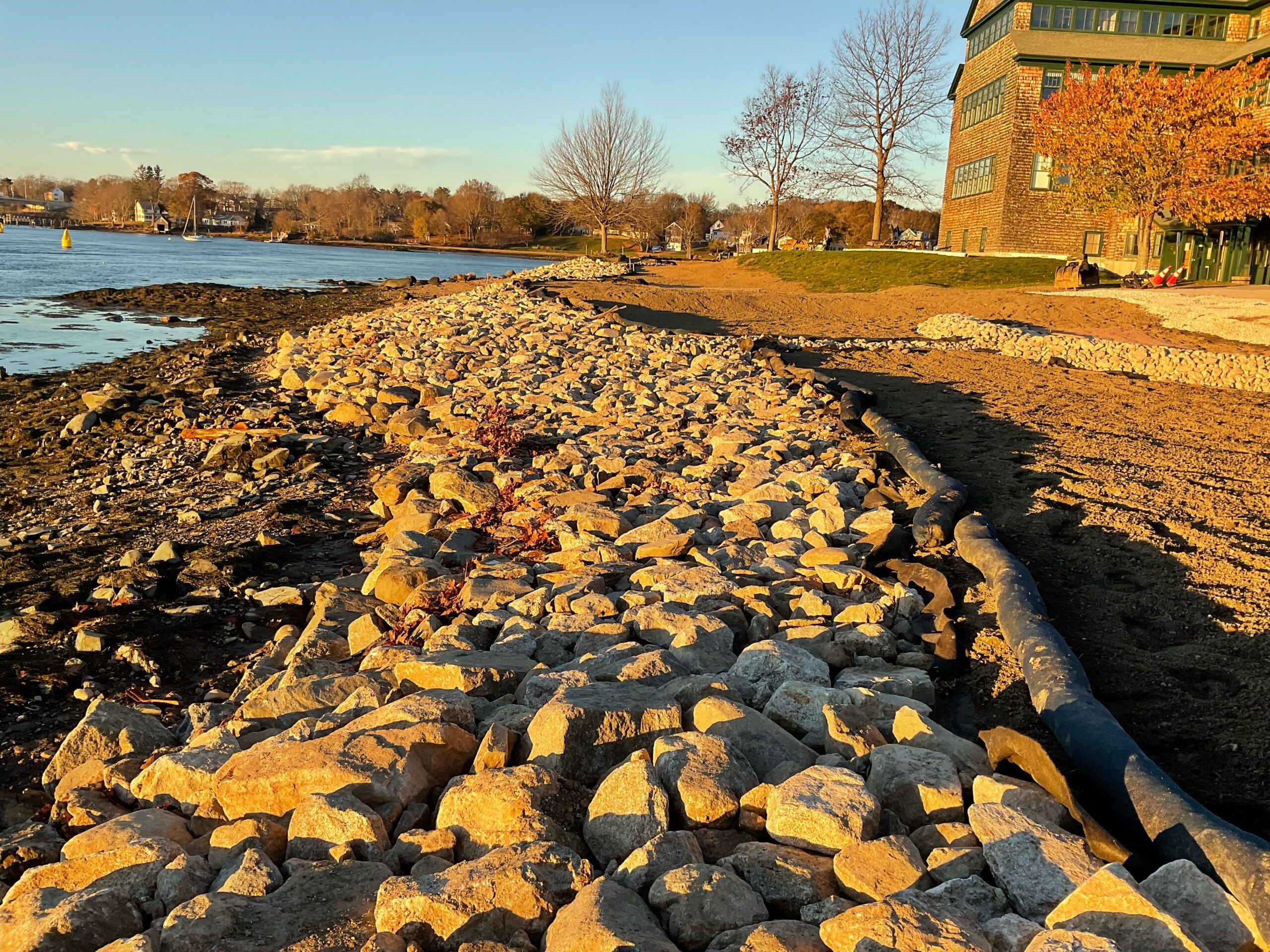
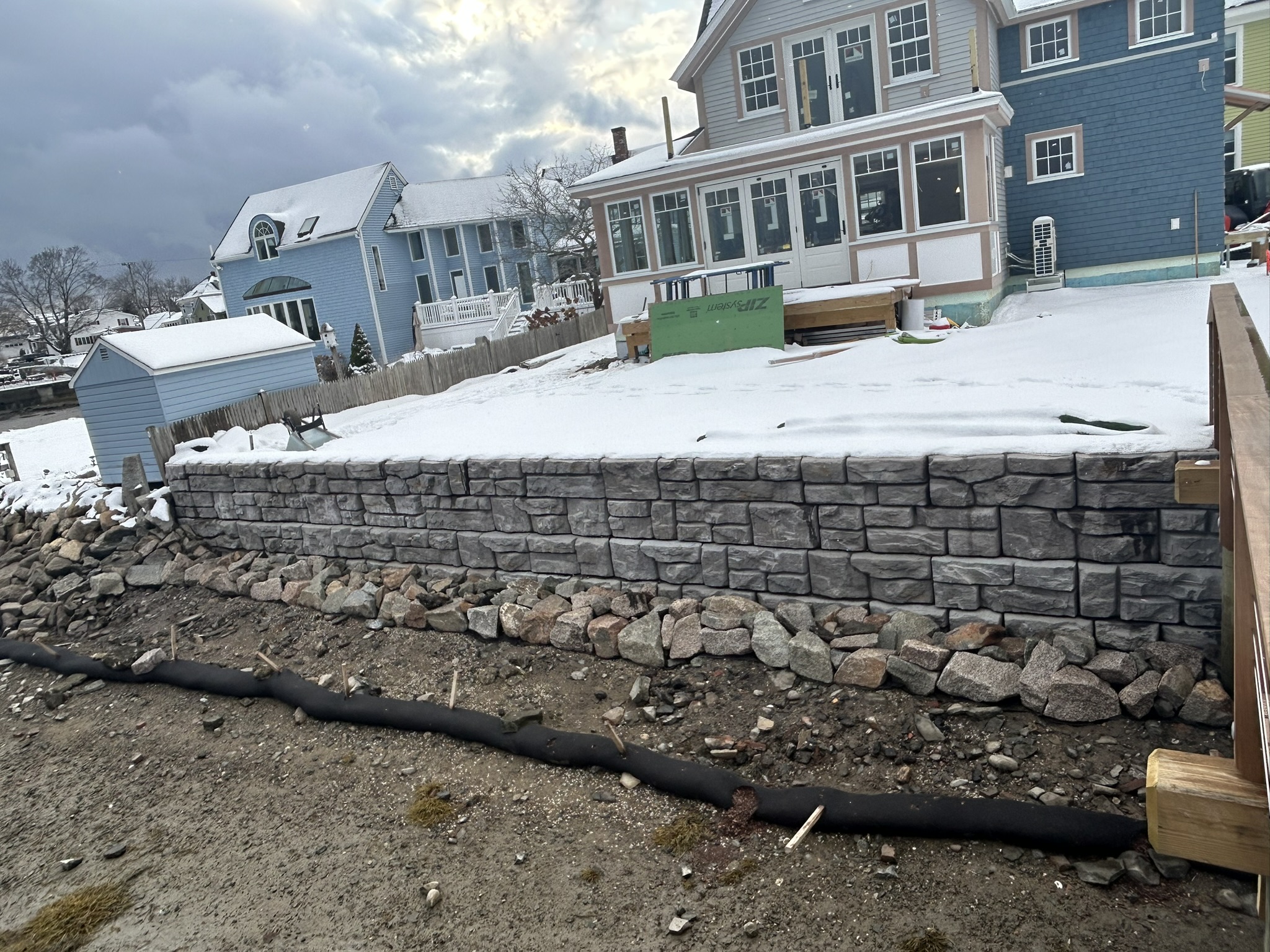
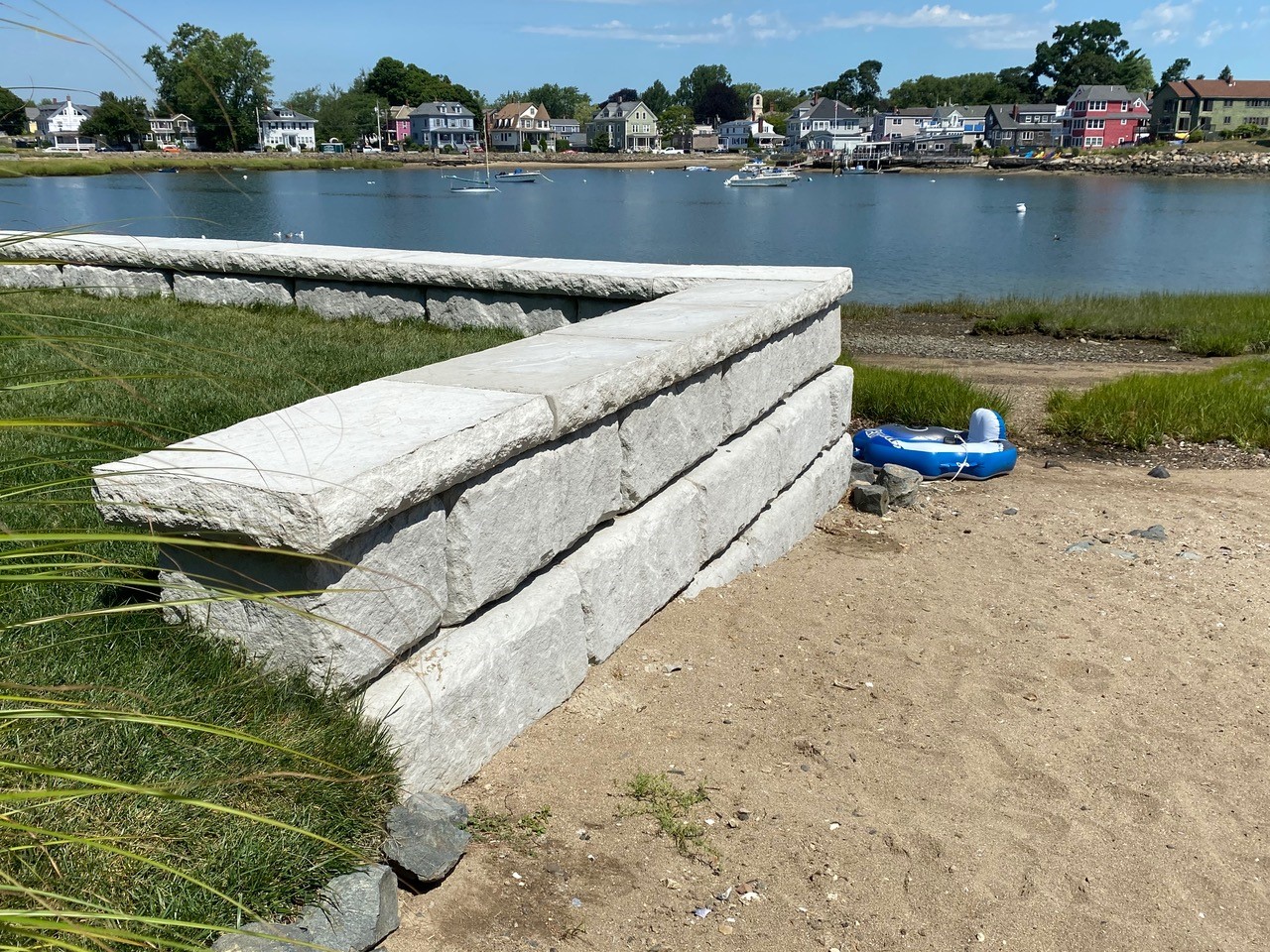
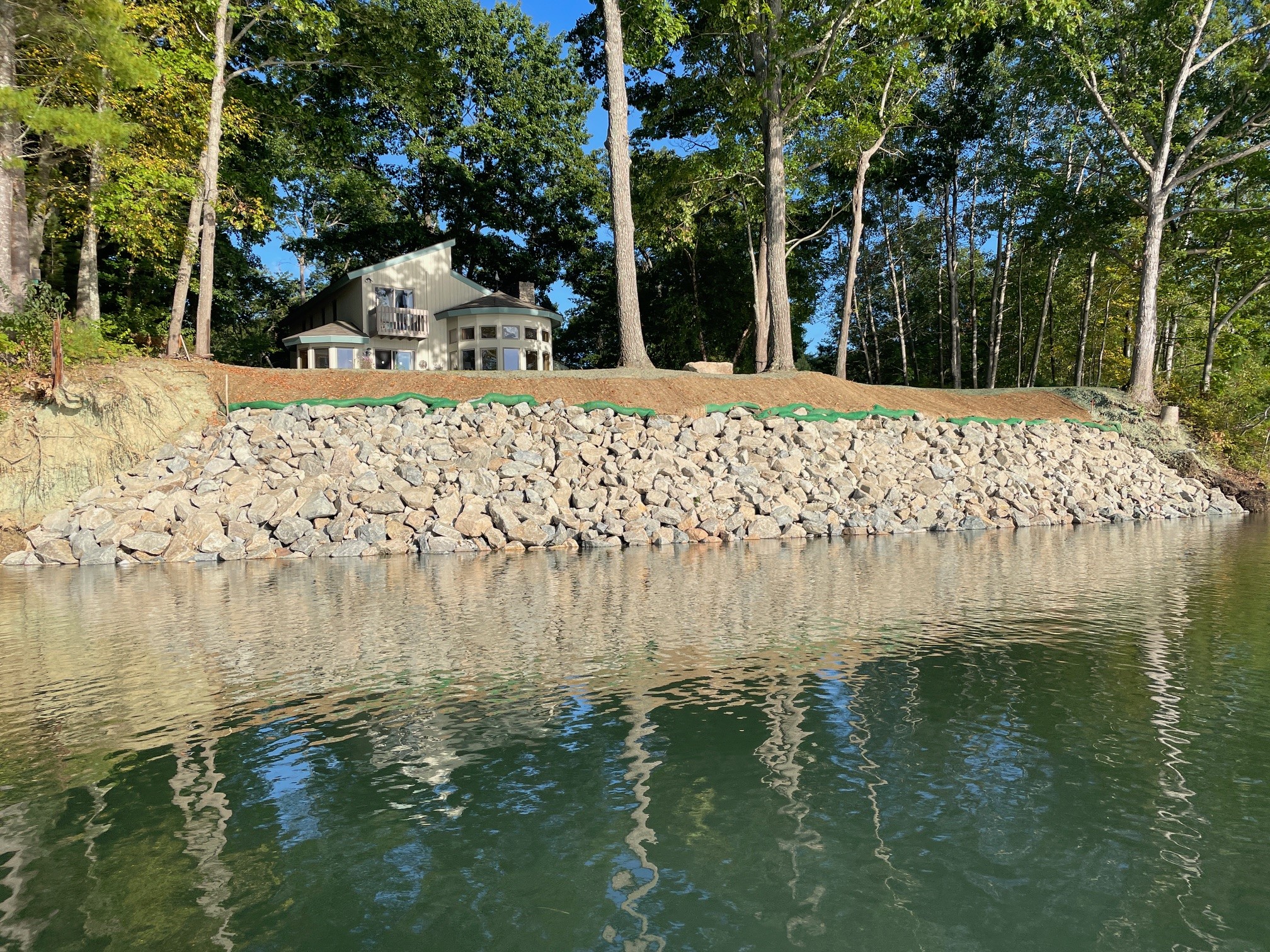
Protecting your waterfront property starts at the shoreline. Riverside & Pickering provides expert residential shoreline stabilization services designed to prevent erosion, safeguard structures, and preserve the natural beauty of your land. Whether you’re facing gradual shoreline loss, storm damage, or rising water levels, our team designs and installs tailored solutions. We take a site-specific approach, evaluating water flow and soil conditions to create long-lasting stabilization systems that protect your home, dock, and surrounding landscape for years to come.

Commercial Shoreline Services
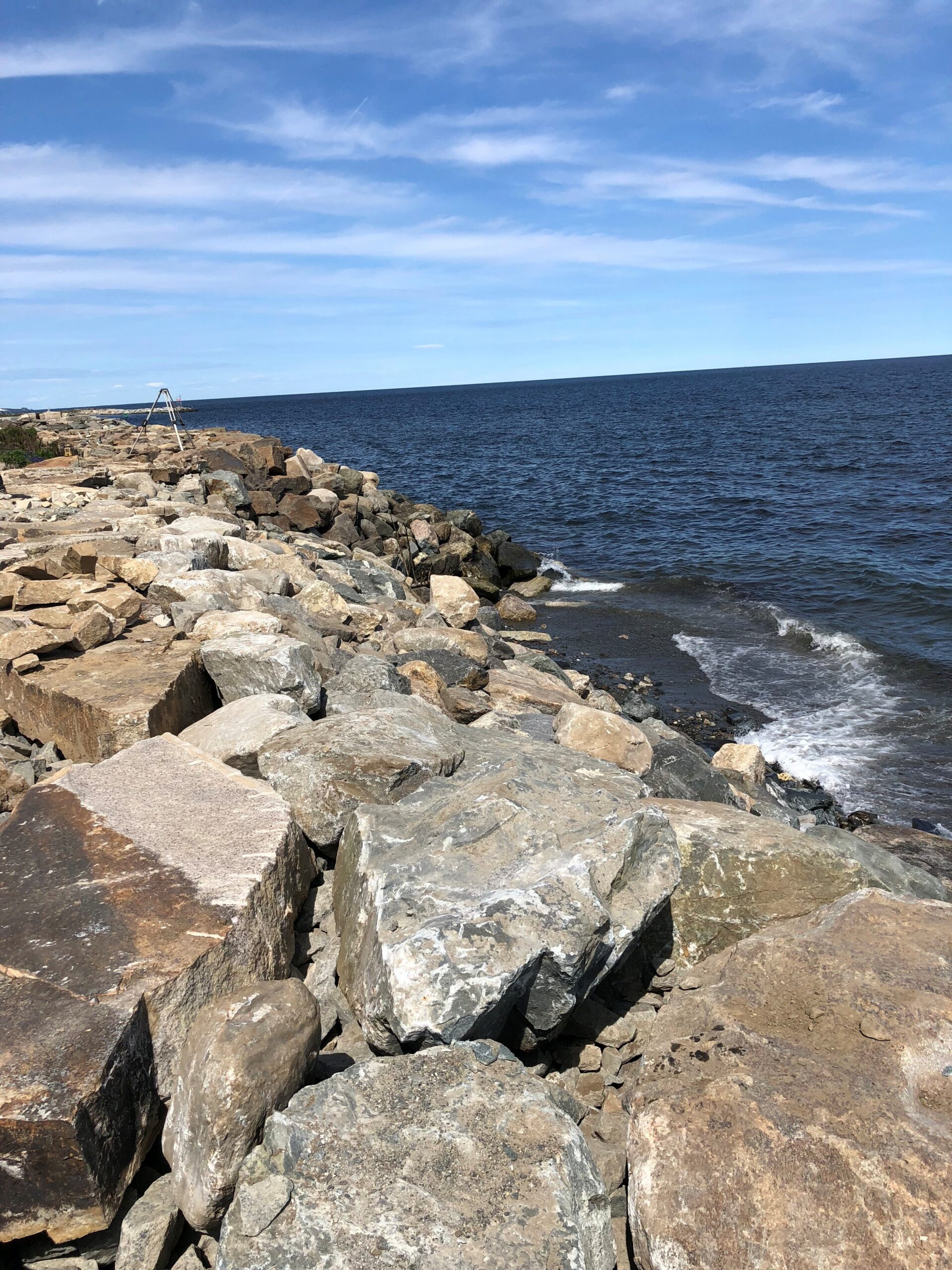
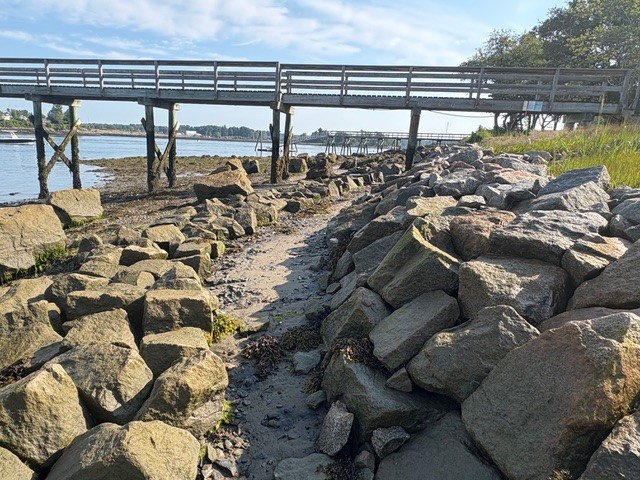
Riverside & Pickering delivers comprehensive commercial shoreline stabilization solutions that protect infrastructure, preserve property value, and ensure regulatory compliance. We work with marinas, municipal waterfronts, commercial developers, and industrial facilities across New England to design and implement stabilization systems tailored to high-traffic, high-impact environments. Our engineered structures defend against wind, tidal forces and vessel wakes. With decades of marine construction experience, Our team combines technical precision with in-depth knowledge of environmental regulations. Whether reinforcing a working waterfront or protecting critical assets along a busy shoreline, we provide durable, regulatory compliant solutions built to perform under pressure.
Areas Served
- Portland
- Eliot
- Kittery
- York
- Scarborough
- Ogunquit
- Old Orchard Beach
- Sebago

- Portsmouth
- Rye
- Newington
- New Castle
- North Hampton
- Durham
- Greenland
- Seacoast Region
- Lakes Region

- North Shore
- Newburyport
- Gloucester
- Boston
Construction & Permitting FAQs
Do I need a permit?
Most projects involving work in the water or below the high-water line require some type of permit. The specific permits needed depend on the project type, scope (repair, replacement, or new construction), and location.
Permitting timelines can range from a few weeks to up to one year in some cases. We recommend planning ahead and contacting us early. Our team can help you understand the requirements specific to your site and project.
Can I handle the permitting process myself?
While it is possible to manage permitting on your own, we strongly recommend working with a professional. The regulatory process can be complex and often involves coordination with multiple agencies.
Although permits are never guaranteed, we are transparent about potential concerns early on. Our experience allows us to navigate challenges and work directly with regulatory agencies to help move projects forward efficiently.
How long is a permit valid once obtained?
Permit duration varies by state and permit type.
New Hampshire
Most dock and wetland permits issued under Wetlands Rules are valid for five (5) years, with the possibility of a five-year extension upon approval.
Maine (NRPA Permits)
- If construction does not begin within four (4) years, the permit may be extended for another four years with approval.
- If construction begins within four years, the permit is typically valid for seven (7) years from issuance.
- If construction is not completed within seven years, reapplication is required.
Local & Federal Permits
Municipal permits and U.S. Army Corps of Engineers permits may have different expiration timelines depending on project scope and location.
How large can my dock be, or how many slips are allowed?
Dock size and the number of slips is determined on a case-by-case basis. Factors include water depth, shoreline frontage, navigation channels, environmental resources, and applicable regulations.
Because requirements vary widely, there is no universal standard.
How long will construction take?
Once permits are approved, materials are delivered, and equipment is mobilized:
- Dock construction: typically, 1.5-4 weeks.
- Shoreline stabilization / riprap varies based on project scope.
Actual timelines depend on site conditions, weather, access, and tidal cycles.
What materials are used to construct a dock?
We use high-quality, marine-grade materials selected based on site conditions and client preferences. These may include:
- Marine-treated lumber.
- Specialty hardwoods.
- Fiberglass or steel pilings.
- Composite decking.
- Corrosion-resistant marine hardware.
What shoreline stabilization options do you offer?
We provide a range of shoreline stabilization solutions tailored to site-specific conditions. The appropriate method depends on shoreline type, accessibility, environmental considerations, regulatory requirements, and location.
Common options include:
- Riprap (hard armoring/stone).
- Coir logs and other soft stabilization (green) methods.
- Hybrid solutions (combination of soft and hard methods).
- Sheet piling.
- Timber bulkheads.
- Pre-cast concrete.